
-
 View More
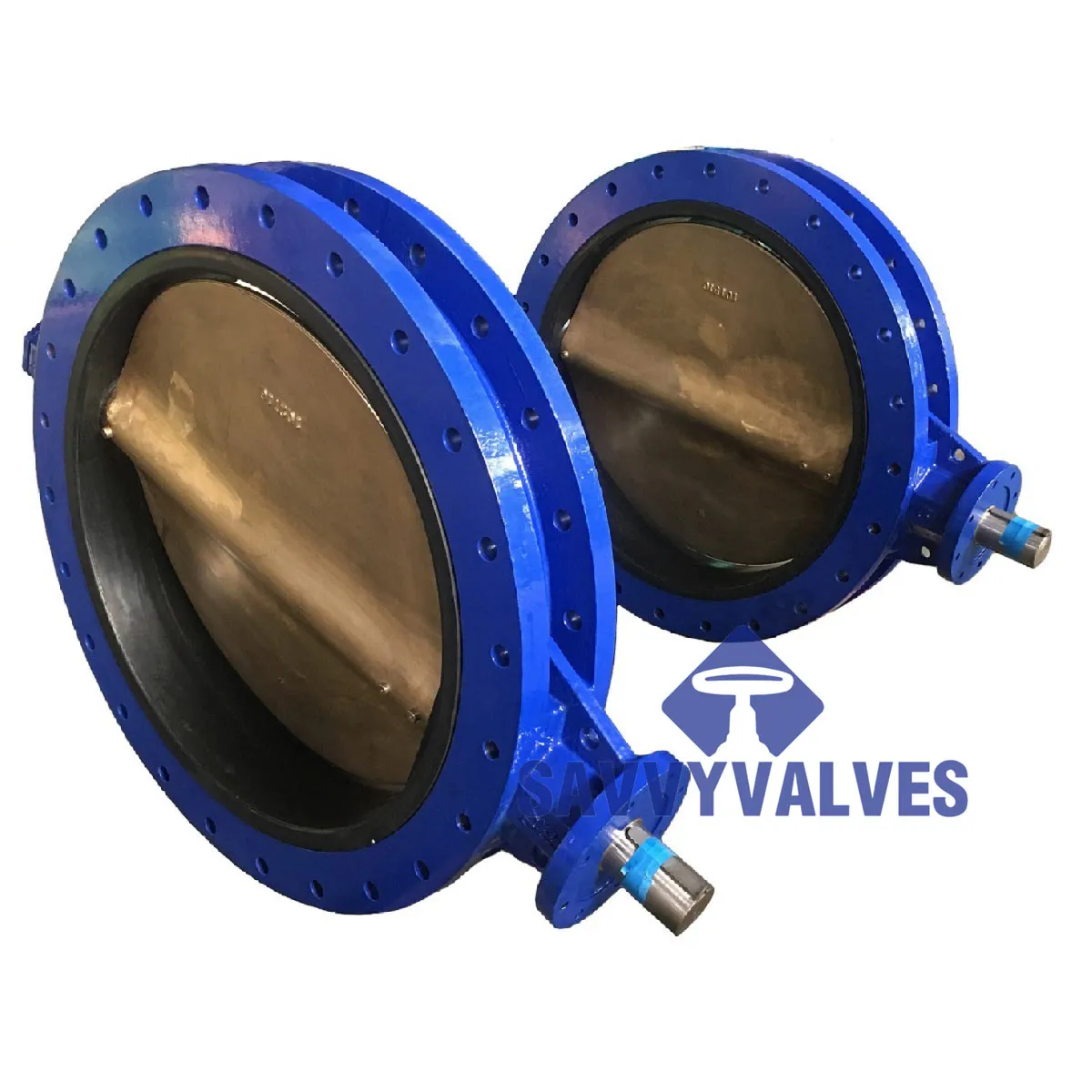
Actuated choke valve —including flexible adjustable choke valve and efficient auto choke valve models—are vital for precise flow control in high-stakes industries like oil & gas, petrochemicals, and power generation. These valves regulate fluid pressure and flow rates, so consistent maintenance is non-negotiable to avoid operational disruptions (which can cost businesses tens of thousands in downt
-
 View More
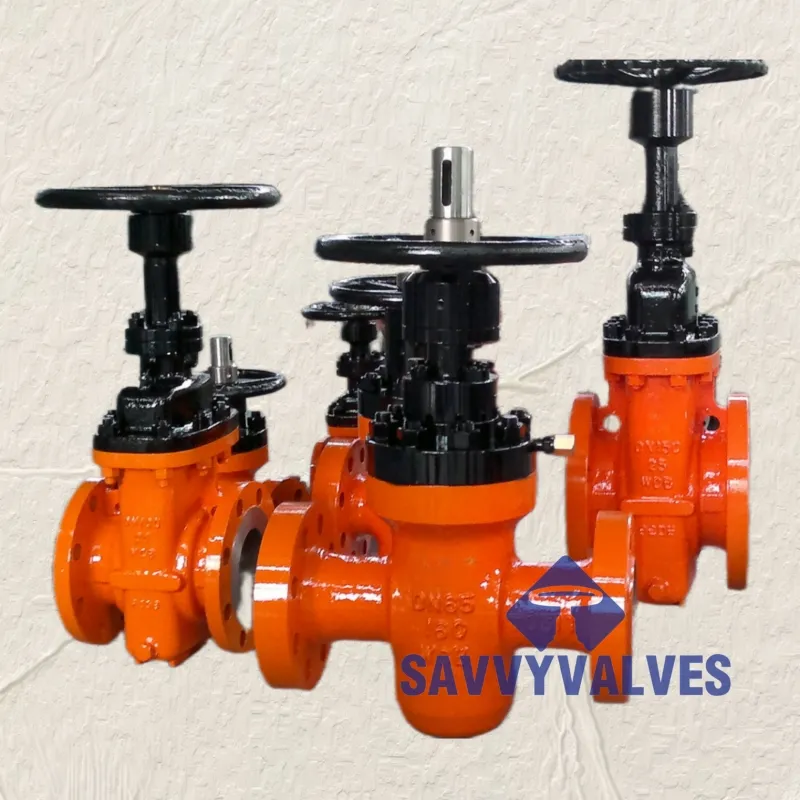
Aluminum Bronze Gate Valve: Industry Trends, Technology, and Customization Guide The aluminum bronze gate valve is a specialized industrial shut-off valve that capitalizes on the superior corrosion resistance and mechanical strength of aluminum bronze. As a premium choice among BB gate valves, and directly compared with key products like Fivalco OS&Y gate valve , the Gate valve BB RS OS&Y in bronz
-
 View More
In the intricate world of industrial fluid management, gate valves stand as a foundational component, offering robust and reliable shut-off capabilities across a vast array of applications. Renowned for their simple yet effective design, these valves are indispensable for ensuring tight sealing and uninterrupted flow in critical processes. Whether you're seeking high-quality gate valves for sale ,
-
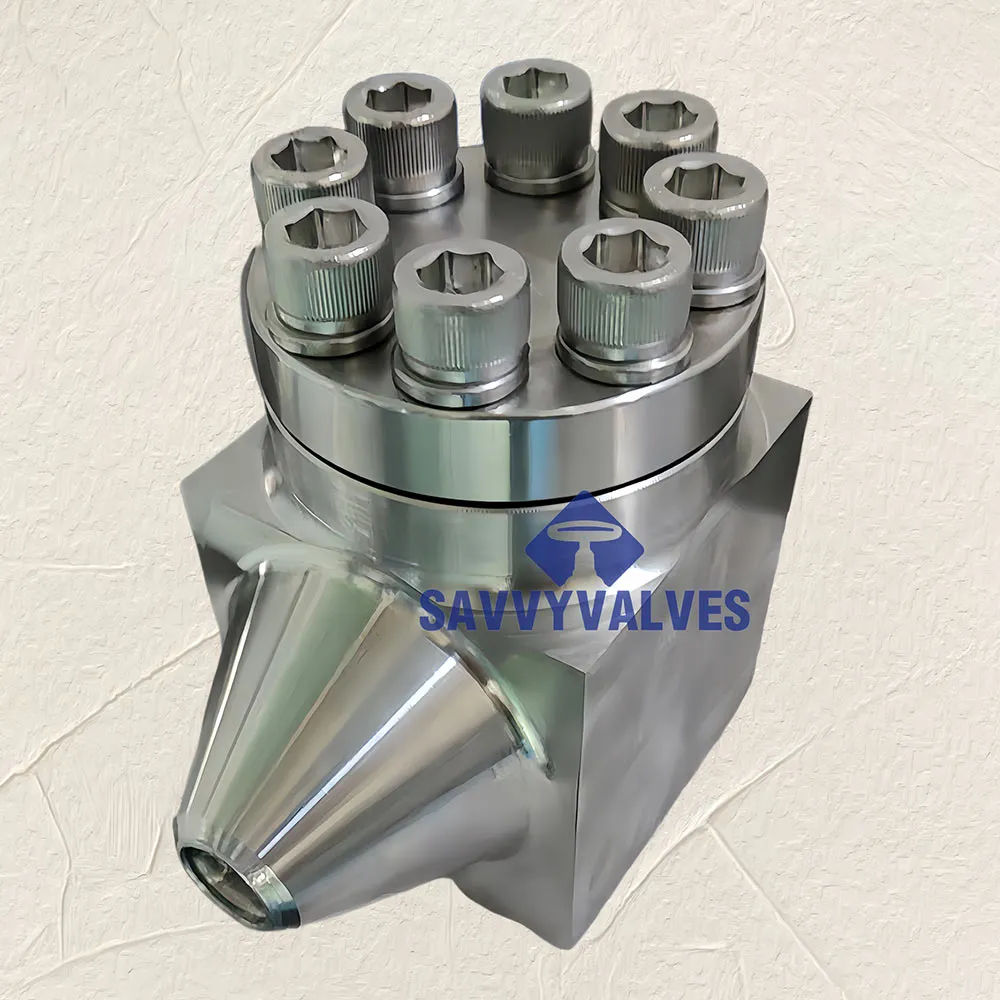
Control valves —including standard control valve models and high-performance hydraulic control valve variants—are the backbone of flow regulation in industries like oil & gas, petrochemicals, and power generation. Even the most durable control valves face common failures over time, which can disrupt operations and lead to costly downtime. For wholesalers supplying these critical components, partne
-
Epdm Rubber Lined Diaphragm Valve has become a pivotal flow control solution for industries requiring reliable, corrosion-resistant, and low-maintenance valve technology. With growing demands across petrochemical, metallurgy, water treatment, and food processing sectors, these valves exemplify the fusion of advanced materials, precise manufacturing processes, and strict quality standards. In this
-
Advancing Industrial Flow Control with the 3 Piece Trunnion Ball Valve In the demanding world of industrial fluid handling, reliable and efficient valve technology is paramount. The 3 piece trunnion ball valve stands as a cornerstone for high-pressure and large-diameter applications, offering superior performance, extended service life, and robust safety features. Specifically, our focus today is
-
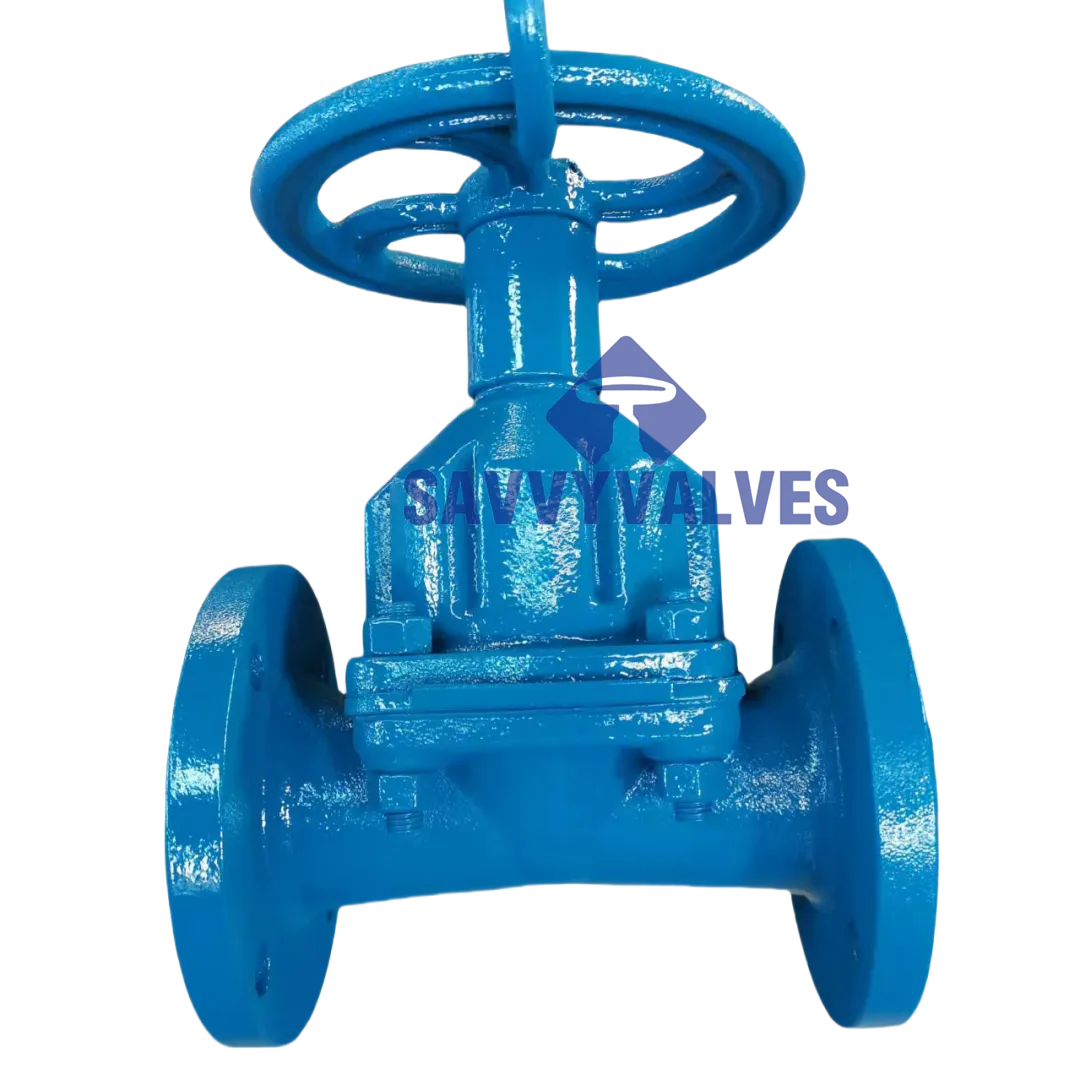 Discover the Benefits of 3 Piece Ball Valves2026-04-02 09:32In the world of industrial fluid control, the choice of valves plays a critical role in ensuring eff
 -
 Knife Gate Valves_ Precision and Durability for Industrial Flow Control2026-04-02 08:24When it comes to durable and reliable flow control, the cast iron knife gate valve is a standout cho
 -
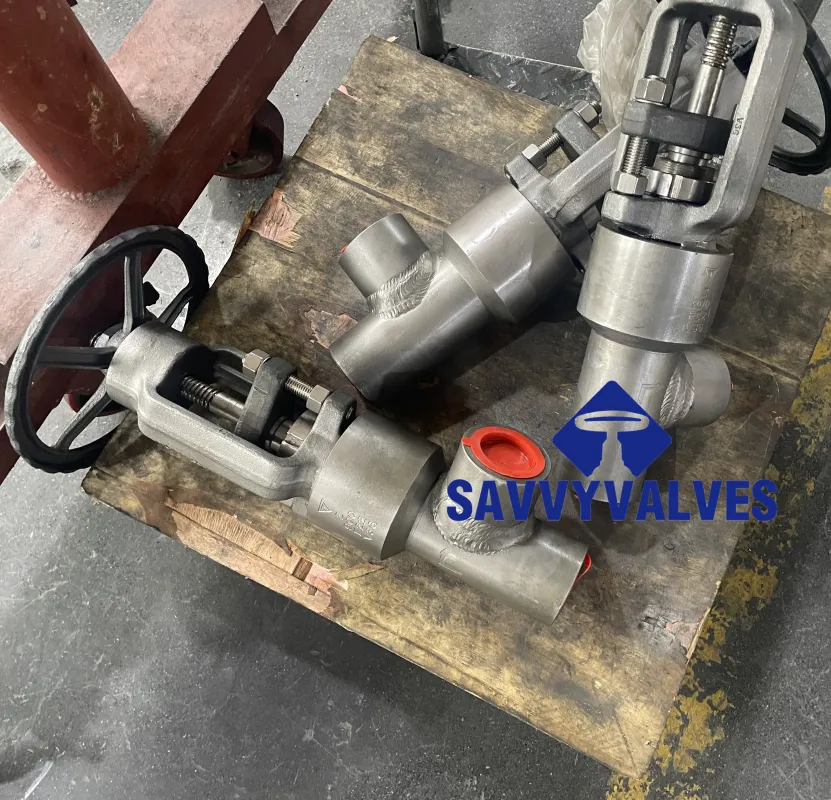 Unlock Unrivaled Flow Control with Our Premium Gate Valves2026-04-02 07:50In the intricate world of industrial fluid management, gate valves stand as a foundational component


Cryo check valve —a critical component of cryogenic valves solutions, alongside cryo ball valve models—plays a vital role in preventing backflow in low-temperature industries like LNG (liquefied natural gas), cryogenic storage, and aerospace. Unlike standard check valves, cryo check valve operates in extreme cold (often -196°C for LNG), making installation orientation non-negotiable—incorrect positioning leads to valve failure, safety risks, or costly downtime. For wholesalers supplying these high-stakes components, partnering with a manufacturer that provides clear installation guidance and durable cryogenic designs is essential. Savvy Valves Co., Ltd.—a globally recognized leader in industrial valve manufacturing (with expertise in API, ASME, and ISO-compliant solutions)—delivers exactly this: their cryo check valve , cryo ball valve , and cryogenic valves lines are engineered for precise installation, with robust materials that withstand cryogenic stress. Serving sectors from LNG terminals to medical cryogenics, Savvy Valves is a trusted bulk partner for wholesalers seeking reliable low-temperature valve solutions. Key Orientation Principles for Cryo Check Valve Flow Direction Alignment in Cryo Check Valve: Cryo check valve must be installed to match its designated flow direction (marked on the valve body) — reversing it prevents the valve from opening, blocking fluid flow, or causing pressure buildup. Savvy’s cryo check valve features bold, corrosion-resistant flow markings (visible even in cold, damp environments) that eliminate confusion. For example, in an LNG pipeline, a cryo check valve installed backward will not open to allow LNG flow, leading to pipeline pressure spikes that risk equipment damage. Unlike generic cryogenic valves (with faint or easily worn markings), Savvy’s clear labeling reduces installation errors by 80%—a key benefit for wholesalers, as it lowers end-user callback costs and improves safety. Vertical vs. Horizontal Installation for Cryo Check Valve: Cryo check valve orientation (vertical or horizontal) depends on its design type: swing-type cryo check valve works best in horizontal lines (gravity helps the disc close tightly), while lift-type models suit vertical lines (spring force ensures closure). Savvy’s cryo check valve line includes both types, with installation guides tailored to each—for instance, a swing-type cryo check valve in a horizontal LNG transfer line uses gravity to seal the disc against backflow, while a lift-type model in a vertical cryogenic storage line relies on a stainless-steel spring (resistant to cold brittleness) to close. This design specificity ensures optimal performance—wholesalers can highlight this to clients, as it helps maintenance teams select the right orientation for their system. Orientation by Industry Application for Cryogenic Valves Industry Application Ideal Orientation for Cryo Check Valve Complementary Cryogenic Valves Savvy Valves Advantage Wholesaler Value LNG Pipelines Horizontal (swing-type cryo check valve ); flow direction aligned with pipeline slope Cryo Ball Valve (for flow control) Cold-resistant swing discs; no freeze-up in -196°C Suits high-volume LNG transfer Cryogenic Storage Tanks Vertical (lift-type cryo check valve ); installed at tank outlet Cryogenic Valves (gate valves for isolation) Spring-loaded lift discs; fast closure to stop backflow Prevents tank contamination from backflow Medical Cryogenics (e.g., Liquid Nitrogen) Vertical (compact cryo check valve ); installed near equipment inlet Cryo Ball Valve (for precise dosing) Small footprint; easy to integrate into tight spaces Appeals to medical equipment distributors Aerospace (Rocket Fuel) Horizontal (high-pressure cryo check valve ); mounted to withstand vibration Cryogenic Valves (pressure relief valves) Vibration-resistant design; no orientation shift Meets aerospace safety standards Common Orientation Mistakes to Avoid for Cryo Check Valve Ignoring Cold Brittleness in Cryo Check Valve: Cryo check valve components (like springs or discs) become brittle at low temperatures—incorrect orientation can strain these parts, leading to breakage. For example, installing a swing-type cryo check valve in a vertical line forces the disc to swing against gravity, putting extra stress on the hinge (which may crack in -150°C). Savvy’s cryo check valve uses nickel-based alloys (resistant to cold brittleness) and reinforced hinges, but correct orientation still prevents unnecessary wear. Unlike generic cryogenic valves (which use brittle materials), Savvy’s design reduces breakage risks—but proper installation remains critical. Wholesalers can educate clients on this, as it extends valve life and reduces replacement costs. Overlooking Pipeline Slope in Cryo Ball Valve & Check Valve: When installing cryo check valve alongside cryo ball valve in horizontal lines, pipeline slope must align with flow direction—even a small reverse slope can cause fluid pooling, leading to freeze-up (blocking both valves). Savvy’s cryo ball valve (used for flow throttling) and cryo check valve are engineered to work in sloped lines, with internal pathways that prevent fluid trapping. For instance, in an LNG line with a 1% downward slope, a cryo check valve installed to follow the slope ensures LNG flows smoothly, avoiding freeze-up that could disable the cryo ball valve . This system compatibility is key—wholesalers can market both valves as a paired solution, simplifying client procurement and ensuring proper orientation. Cryogenic Valves FAQS Can Cryo Check Valve Be Installed Upside Down in Vertical Lines? No— installing a cryo check valve upside down in vertical lines reverses the disc’s closing mechanism, preventing it from stopping backflow. For lift-type cryo check valve (designed for vertical use), upside-down installation means the spring pushes the disc open instead of closed, allowing backflow of cryogens like liquid nitrogen. Savvy’s cryo check valve includes “top/bottom” markings to avoid this—for example, a vertical lift-type valve marked “TOP” must be installed with that end upward to ensure the spring closes the disc correctly. Wholesalers can emphasize this to clients, as upside-down installation is a common error that leads to safety hazards (e.g., cryogen leaks) and equipment damage. What’s the Difference Between Cryo Check Valve and Cryo Ball Valve Installation Orientation? Cryo check valve orientation is critical for backflow prevention (depends on flow direction and valve type), while cryo ball valve (used for flow control) has more flexibility— it can be installed in any orientation (horizontal, vertical, angled) as long as the ball rotates freely. However, cryo ball valve should not be installed where fluid can pool in the body (e.g., upside down in vertical lines with low flow), as this causes freeze-up. Savvy’s cryo ball valve has a “full-port” design that minimizes pooling, while cryo check valve has strict orientation rules. Wholesalers can explain this difference to clients, helping them plan installations for both valves in the same system. How Does Temperature Affect Cryo Check Valve Installation Tightness? Cryogenic temperatures cause metal components to contract—this means cryo check valve flange bolts (used to secure the valve to pipelines) may loosen after installation. To address this, Savvy recommends “cold torquing”: tightening bolts after the valve reaches operating temperature (-100°C+). For example, a cryo check valve installed in an LNG line should have bolts retightened 24 hours after startup (once it’s cooled to -162°C) to maintain a tight seal. Unlike standard valves (which only need one torqueing), cryo check valve requires this extra step—Savvy provides cold-torque guidelines to clients. Wholesalers can advise clients to include this in installation plans, as loose bolts cause cryogen leaks and safety risks. Are There Special Gaskets Needed for Cryo Check Valve Installation? Yes— cryo check valve installation requires cryogenic-grade gaskets (e.g., expanded PTFE or metal-reinforced gaskets) that remain flexible at low temperatures; standard rubber gaskets become brittle and crack, causing leaks. Savvy’s cryo check valve includes compatible gaskets in bulk orders—for example, an LNG cryo check valve comes with expanded PTFE gaskets that withstand -196°C without degradation. Generic cryogenic valves often require separate gasket purchases, but Savvy’s all-inclusive approach simplifies installation. Wholesalers can highlight this, as it saves clients time and ensures gasket-valve compatibility (a common source of leaks). Can Cryo Check Valve Be Installed Near Elbows or Tees in Pipelines? Cryo check valve can be installed near elbows or tees, but there must be enough straight pipe (10–15 times the pipe diameter) upstream to ensure steady flow—turbulence from elbows/tees disrupts the valve’s disc movement, leading to erratic closure. For example, a cryo check valve installed 3 pipe diameters from an elbow in an LNG line may experience turbulent flow, causing the disc to flutter (wearing components prematurely). Savvy’s cryogenic valves technical guides include minimum straight-pipe recommendations for each valve size—wholesalers can share these with clients, helping them plan pipeline layouts that optimize valve performance. To explore Savvy’s cryo check valve , cryo ball valve , or custom cryogenic valves solutions, visit our company webpage today.